

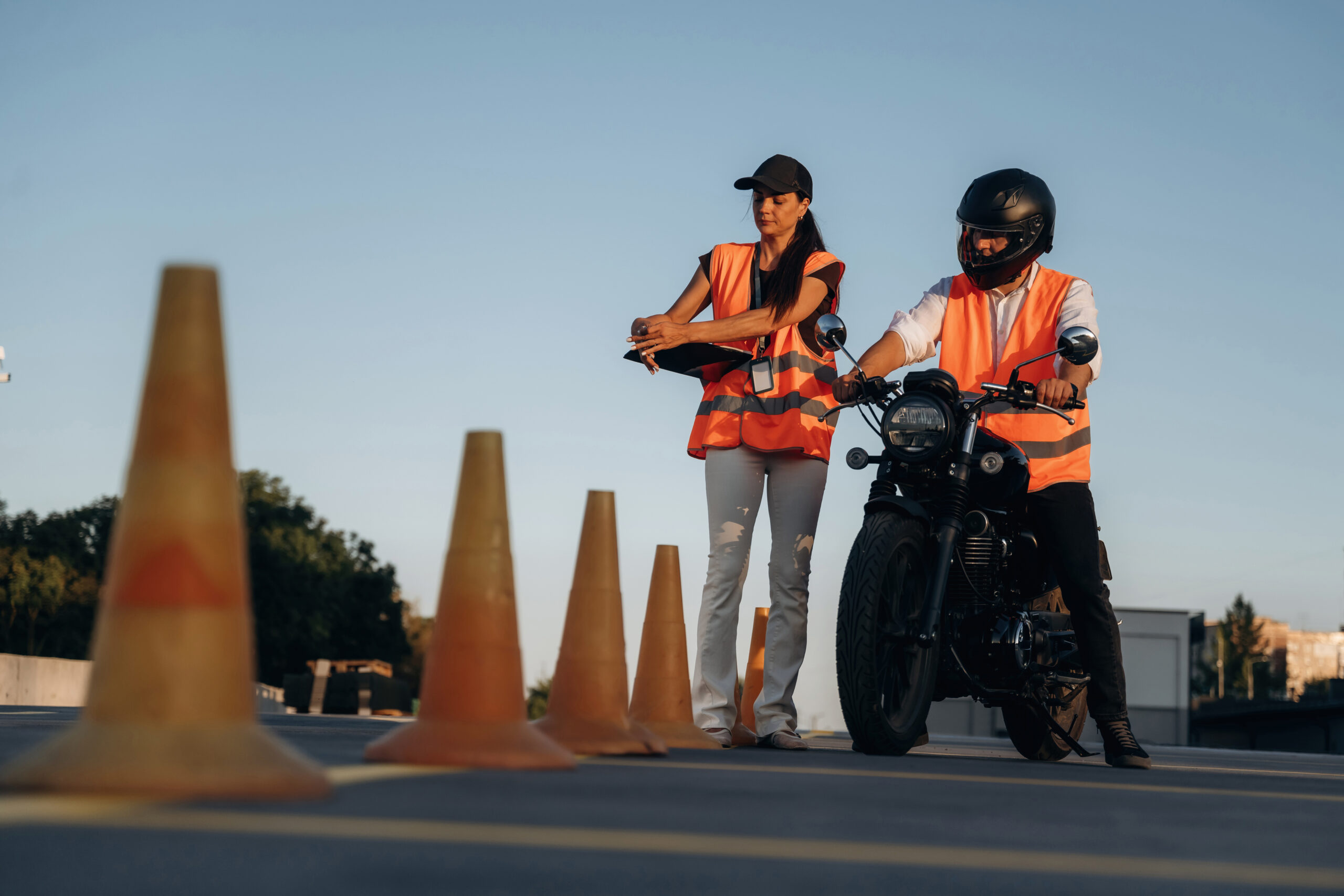
It isn’t uncommon for a new motorcyclist to renew their learning licence. In fact, it’s a lot more common than you think. Whether you’re a commuter who wants to sidestep rush hour every morning, or even a delivery driver working late to pay bills, renewing your CBT every two years can just feel like another piece of admin. Consider it an MOT for your bike skills, if you will, and for many, it works just fine.
For decades, the UK motorcycle licensing system has been somewhat… illogical (to put it kindly). To simply get on the road, you take a day of training and get a paper CBT permit. After this, you can legally ride on the road alone on a 125cc or below machine.
From here, you can either continue to renew your permit for approximately £150 every 2 years, or you can eventually take further training, a theory test, mod 1, then mod 2. The total cost of a full licence? Around £2,000.
For younger riders, the size of the engine they can ride also depends on their age. The end result is that often, younger riders don’t see the point in paying £2,000 to ride a restricted machine when they can simply pay £150 every 2 years and do the exact same.
1. No More Infinite CBTs
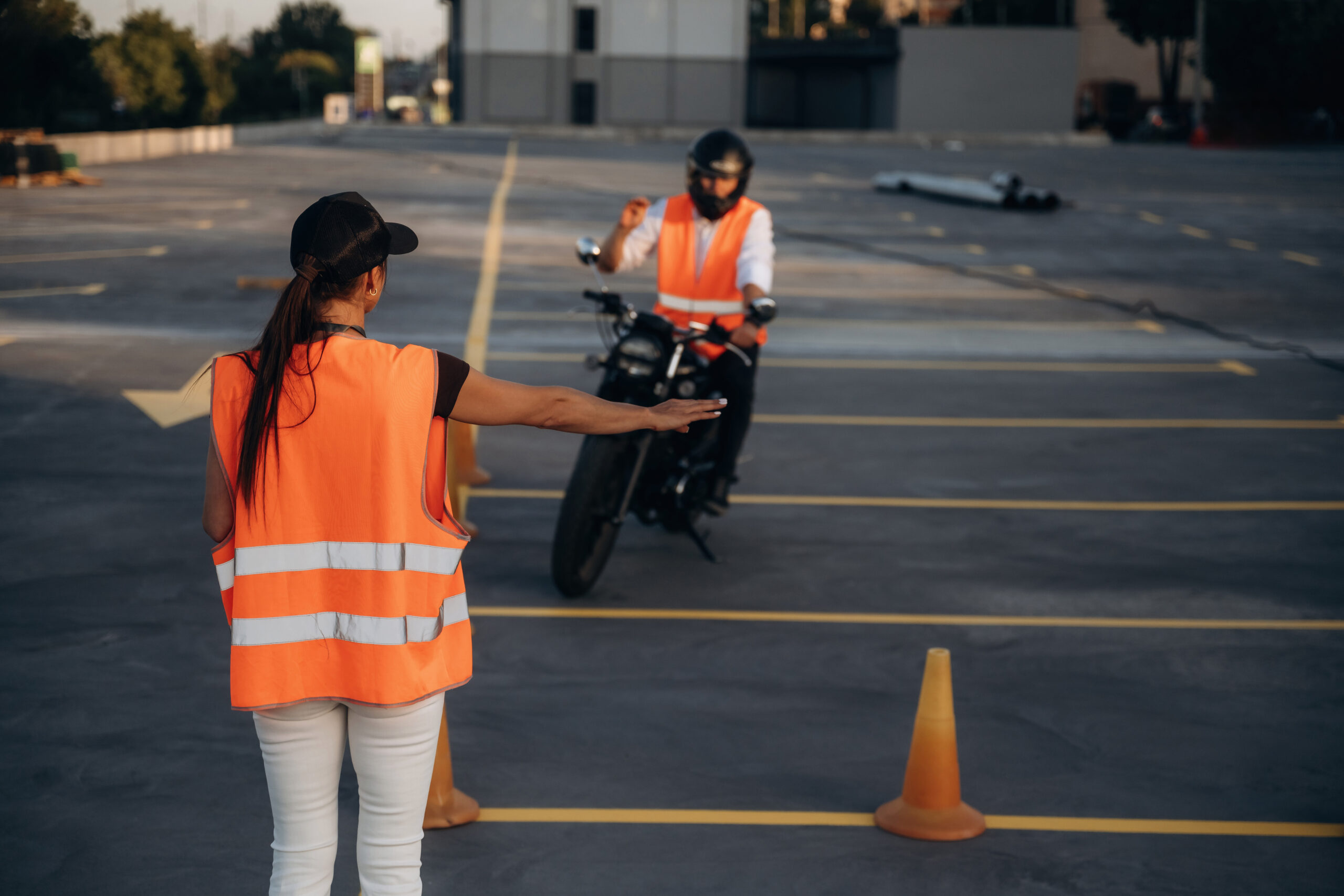
The biggest bombshell is, of course, the DVSA’s plans to stop ‘permanent learners’. Effectively, what they’re saying is “We’re tired of seeing riders spend 10+ years on a 125cc without ever taking a theory test or a full exam.
The New Proposal: Under the new rules, the DVSA is looking at capping the number of times a rider can take their CBT in the UK. The end goal is to push people towards taking a full licence.
2. The End of the ‘Manual Loophole’
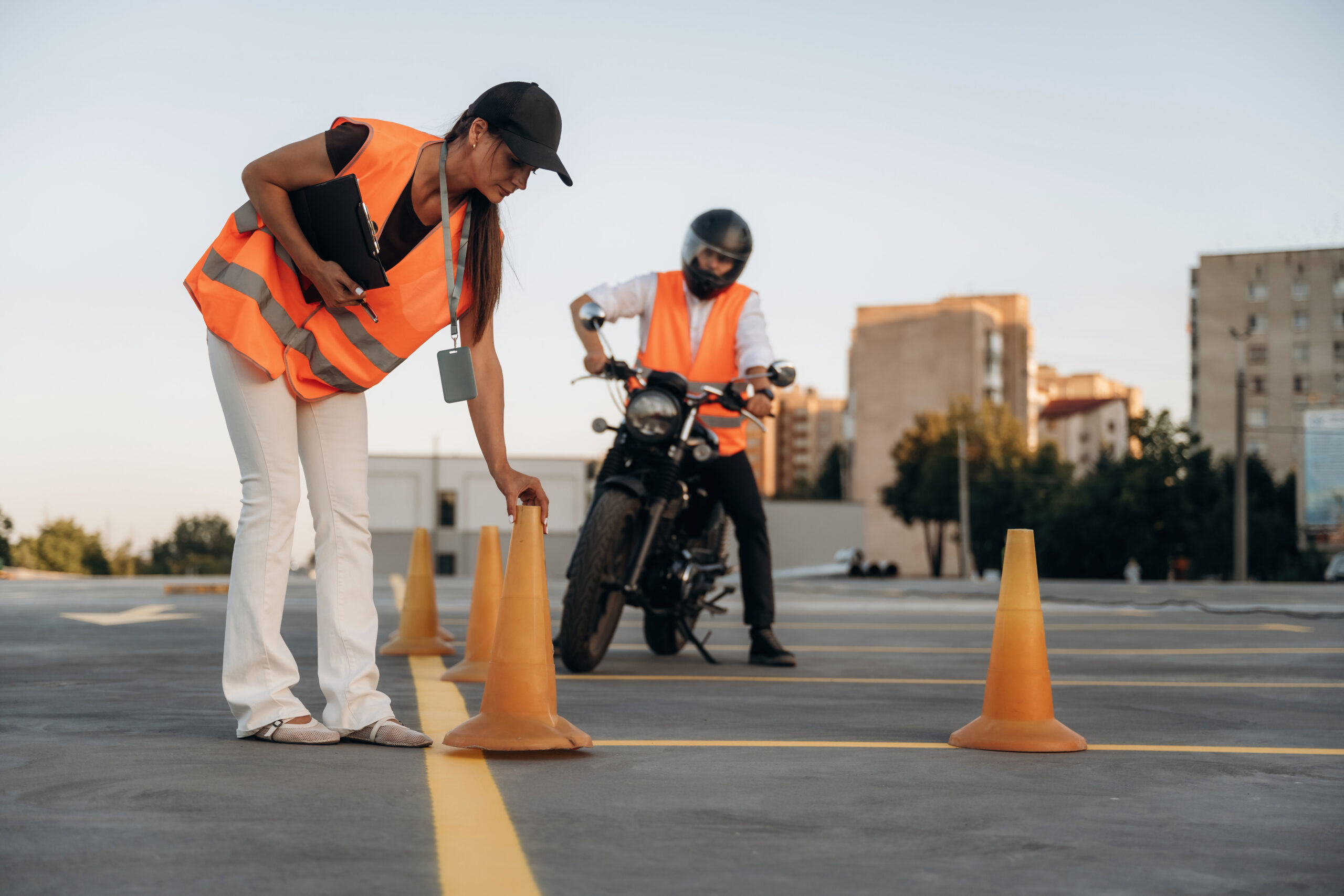
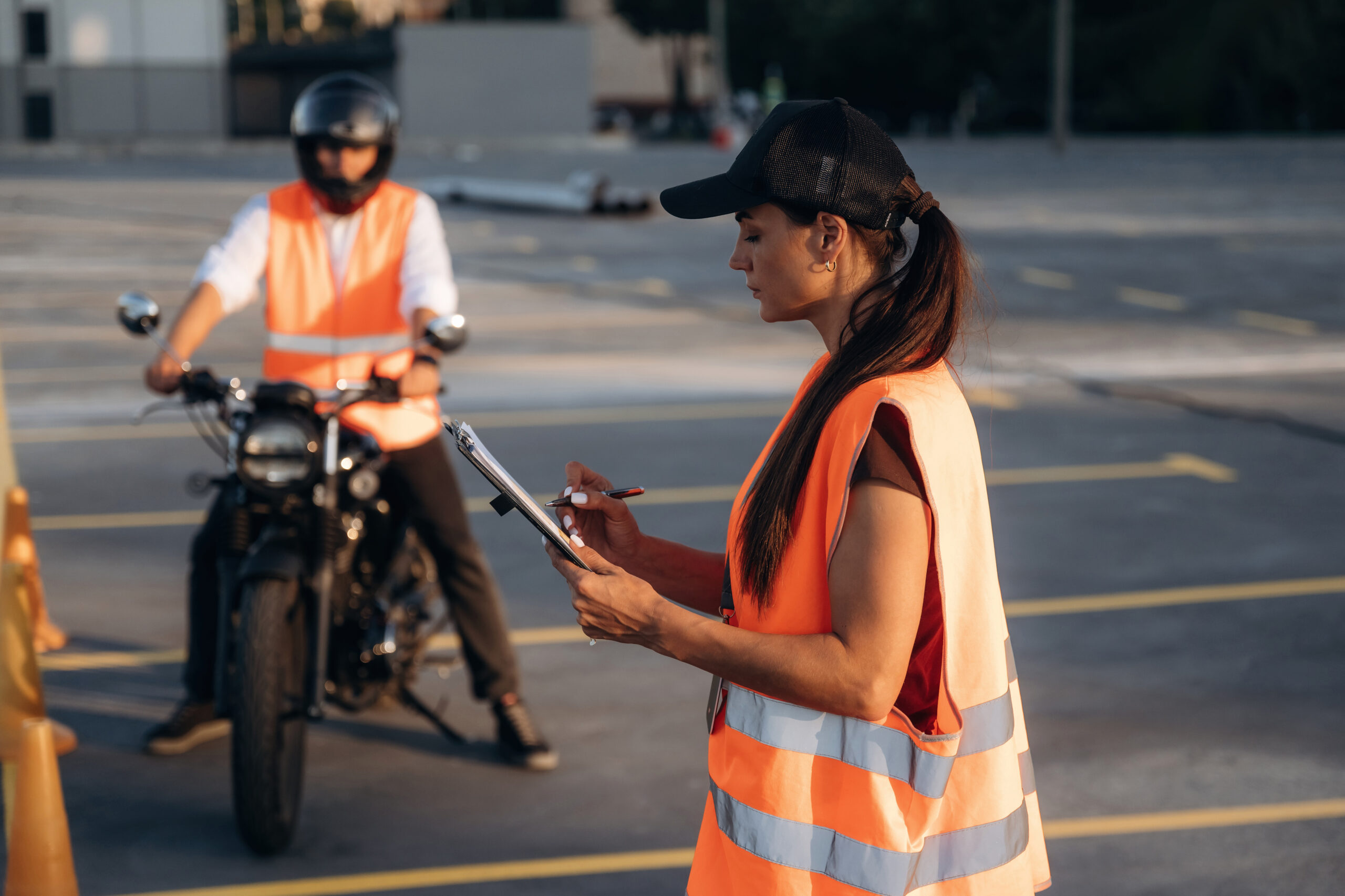
If you’ve been through your CBT, you’ll know that you don’t need to sit the training session on a manual machine. Right now, any rider can pass their training on an automatic Twist-and-Go machine with absolutely no training on a machine bike.
However, after getting that CBT permit in their hands, they can jump on a geared 125cc bike straight out of the motorcycle school. Right now, you can pass your CBT on a Twist-and-Go moped and then legally hop straight onto a manual Honda CB125F. The DVSA thinks that’s a recipe for disaster.
3. Theory First, Ride Second
For the theory test, learner riders are not required to take it before attending their CBT training. You simply rock up to the training school and learn basic bike manoeuvring. However, when it comes to knowing basic road rules, there’s absolutely no requirement in the form of a standardised test. Currently, you can be on the road riding at 60mph with zero formal knowledge of road signs or basic right-of-way rules.
The New Proposal: Under the new DVSA rules, you’ll be required to take your theory test to obtain your CBT. Whilst it’s more admin and more costly, it’s hard to argue against everyone knowing the Highway Code before they share space with 44-tonne lorries.
4. A Saner Way to Upgrade (The Good News!)
Obtaining a full motorcycle permit as a young rider is a nightmare. Even if you invest £2000 to obtain your licence, the size of the machine you can ride is capped by your age. If you want to move from an A1 (125cc) to an A2 (47bhp), you currently have to pay for a new CBT (if yours expired), a new Theory test (in some cases), and retake both Module 1 and Module 2. It’s exhausting and expensive.
|
AM
|
16 | 50cc (Restricted to 28mph) | You’re basically a moving chicane for cars. |
|
A1
|
17 | 125cc (Max 14.8bhp) | Great for town, but terrifying on a windy A-road. |
|
A2
|
19 | Up to 47bhp (35kW) |
Usually, 500cc and 650cc bikes are “restricted.”
|
|
A (Full)
|
21*
|
Any bike, any power | *Only if you’ve held an A2 for 2 years. |
|
A (Full)
|
24 | Any bike, any power | This is the “Direct Access” age for everyone else. |
5. Digital Certificates & Penalty Points
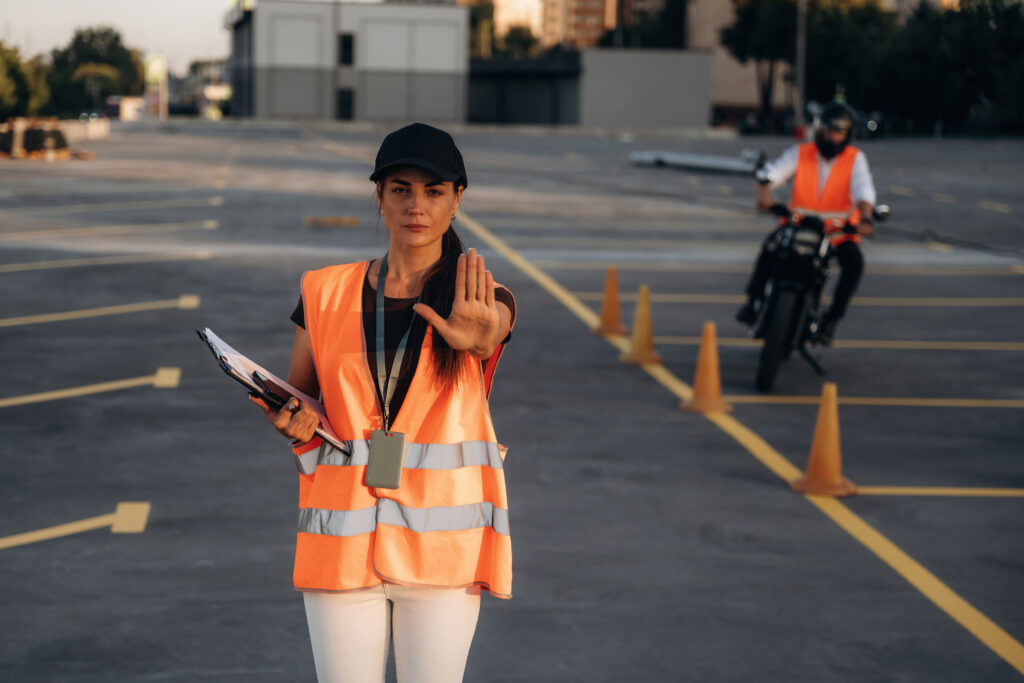
When a rider passes their CBT, they’re issued a paper DL196 certificate. Something that is easily lost or damaged, unfortunately.
The New Proposal: Under new rules, the DVSA proposes moving everything online. In addition, if you get 6 points on your learner permit, your CBT will be revoked, and you’ll be required to resit the training session. It’s a clear message: ride safely or get off the road.
The Bottom Line
This is the biggest shake-up since 1990. Some of it feels like ‘nanny state’ overreach, but ultimately, the new proposals are making it easier to get a full license (without the extra tests). This is a huge win for the biking community.